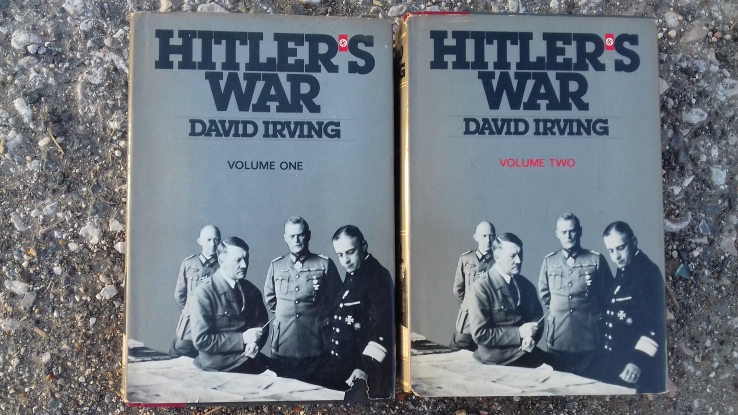
 I miss the days before Kindles and iPods, when you could get to know someone better by browsing through their book and music collections. Our Dutch friend Merel, at whose house we spend New Year’s Eve, has a good variety of recent fiction and books on sustainable development and the like. I’m a little taken aback to see on her shelves quite a range of books on dictators and fascism, including two by the disgraced Hitler apologist David Irving. Thankfully it turns out they belong to her landlord.
Irving is a Nazi activist who used to get away with pretending to be a historian. He was the subject of a 2016 film starring Rachel Weisz and Timothy Spall, which depicted his failed attempt in 2000 to sue the historian Deborah Lipstadt for pointing out that he had systematically distorted details about the Holocaust in his books in order to let Hitler off the hook. The judge concluded that:
Irving has for his own ideological reasons persistently and deliberately misrepresented and manipulated historical evidence; that for the same reasons he has portrayed Hitler in an unwarrantedly favourable light, principally in relation to his attitude towards and responsibility for the treatment of the Jews; that he is an active Holocaust denier; that he is anti-Semitic and racist, and that he associates with right-wing extremists who promote neo-Nazism.
As it happens I’d come across a physical copy of one of his books before, about twenty years earlier in my local library in Dublin. I took it out and disposed of it, and then explained to the library what I’d done and why. They understood my point and once I’d agreed to pay the cost of the book they agreed not to replace it. The film about the trial of the book’s author is no classic but it sets out the main details, featuring real footage of Irving giving Nazi salutes to audiences of skinheads in Germany and Austria, where he once spent a year in prison for continuing to spread lies about the death camps. It also makes the link with other kinds of denial – one of the key lines spoken by the main character is ‘Elvis is dead. The icecaps are melting. And the Holocaust did take place’. The fact that Holocaust denial is booming online and that many of those espousing it also deny that the earth’s climate is changing is no coincidence. Hitler launched his campaign to conquer Europe in order to extend Germany’s ‘Lebensraum’, living space. In anderen Worten, he wanted to expand the Third Reich’s vegetable patch. Last week the right-wing British tabloid newspaper The Sun, owned by the climate-denying pro-Trump tycoon Rupert Murdoch, used its front page to blame Spanish people for depriving Britons of food. Inclement weather in Southern Europe has meant that there are fewer vegetables to export to British supermarkets, and The Sun wants its readers to blame foreigners rather than asking why global weather patterns are changing. As I have long argued that climate denial and racism are intimately linked, I can’t help but feel at the same time a little vindicated and also really rather scared for the future.

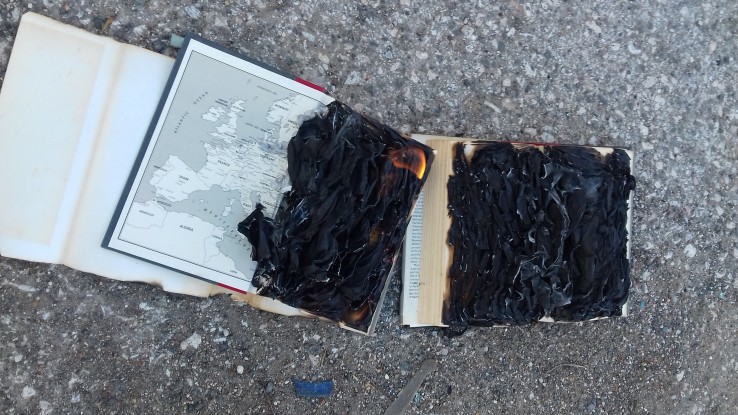
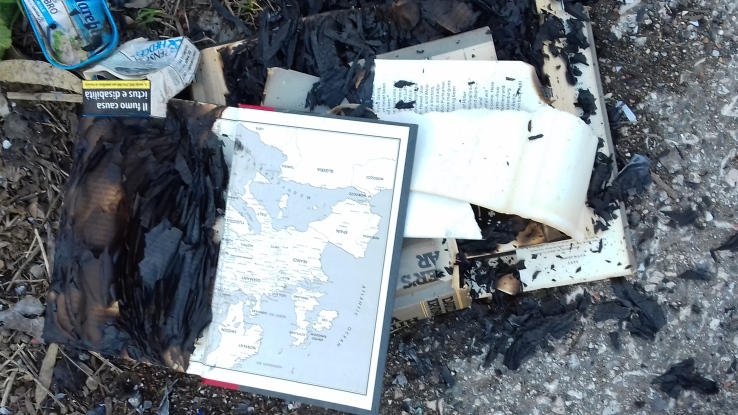
Once I’d explained the books’ provenance to Merel, she was more than happy for me to take them away and get rid of them. It was just a case of finding the time (my wife was heavily pregnant until last Monday :-)) and the place (we’ve only lived in Rome since last September). I decided to post a question in a friendly group for local foreigners on Facebook. Things I’ve posted there in the past on related topics have generally got a good reception, although I’d been surprised when, in response to a piece I’d written in which I called the Italian fascist group Casapound ‘openly racist’, an Italian guy popped up and invited me to join them. My post about the books got a mixed response. Several people were consternated until I pointed out what kind of books they were, but some contributors continued to remonstrate, calling me a Nazi for wanting to burn books. Thankfully a sensible person pointed out that while the Nazis had indeed gone in for a bit of book-burning, it wasn’t by any means the worst thing they had done. A couple of people made witty but pointed reference to the fact that one of Rome’s (very best) bookshops is called ‘Fahrenheit 451’. I replied, arguing that the two items in question didn’t really deserve the hallowed status of ‘book’. I made the same point to a young Italian guy who promptly sent me a PM asking if he could have the books ‘for research’ because he was ‘interested in the topic’:
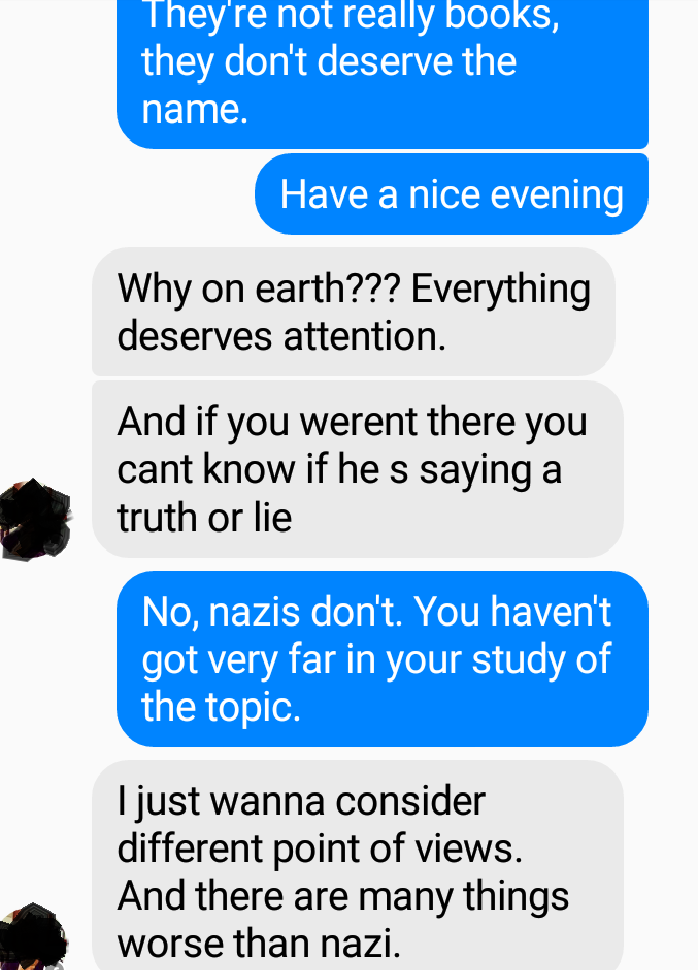
…which gives a new dimension to the phrase ‘you’d have to have been there’.
Although Irving has long been a discredited and bankrupt irrelevance in terms of serious history, both the Guardian and The Independent for some reason decided to give him a blast of publicity in the wake of the film. He claims that the election of a US President who openly consorts with Holocaust deniers (and, it should go without saying, climate liars) has revived interest in his ‘work’, with ‘thousands’ of young people contacting him to find out more about his ‘research’. He continues to use YouTube to propagate the lie that he’s a proper historian.
 Someone in the Facebook group had suggested a far-off part of town crummy enough that few would be bothered by the sight of someone burning some books, but I didn’t really want to drag a one-week-old-baby across Rome and end up getting us both arrested for arson. Instead I thought of a largely abandoned area round the corner, next to the river, so I could get the whole thing out of the way in half an hour and not neglect my parental responsibilities. As it happens the area isn’t uninhabited; there’s a community of gypsies scattered along a stretch of the Tiber. Elsewhere on Facebook I read about the impending destruction of a similar settlement in Napoli, where my wife was born. The European Roma Rights Centre reports that:
The proposed forced eviction will render more than 340 Romani families homeless, including pregnant women, young children, and persons with disabilities. These Romani families, like most Roma in Naples, are a part of the city, having been resident there for a number of years. Despite this, the municipality of Naples has not provided them with any alternative housing.
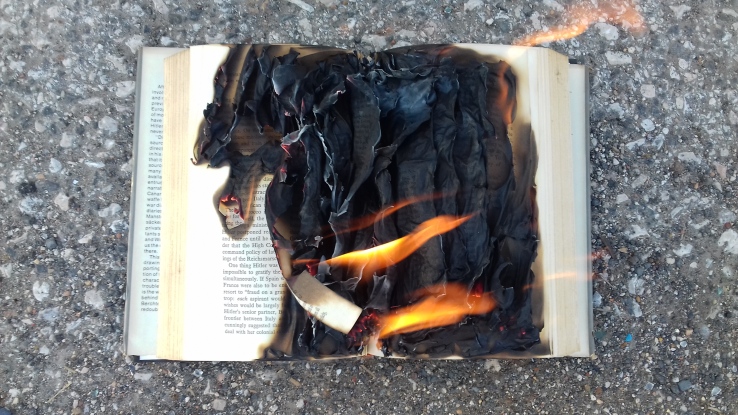
I’m sure Irving himself would approve. Anti-gypsy racism seems particularly rife (indeed respectable) in Italy. The Telegraph reported in 2008 that a class of Italian schoolchildren had produced drawings supporting the burning of a local gypsy camp. As a novice arsonist myself I had to hope that the fire I was about to start wouldn’t burn out of control and have a similar impact. Whatever it was I wanted to achieve by burning the books, it certainly wasn’t that.
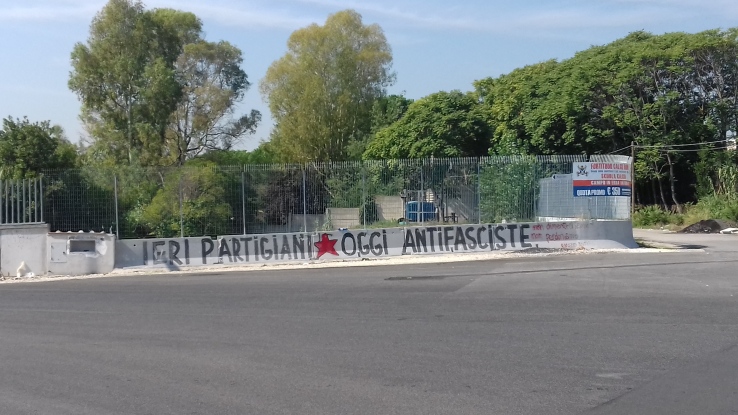
Thankfully there was a good omen. The place I settled upon also has some fitting graffiti (‘YESTERDAY PARTISANS, TODAY ANTI-FASCISTS’). As it happens, the only elected representative of the aforementioned fascist group Casapound recently dismissed the Italians who took up arms against their own fascist Government and the Nazi regime which stepped in to save it as ‘rapists’.
It would be nice to see someone like Irving as a detail of history, a footnote: there were some Nazi sympathisers who denied the holocaust, but they were ignored. But that’s not the case. Next month the French may well elect a President whose biological and political father has repeatedly described the systematic murder of millions of people as exactly that: “a detail of history”.
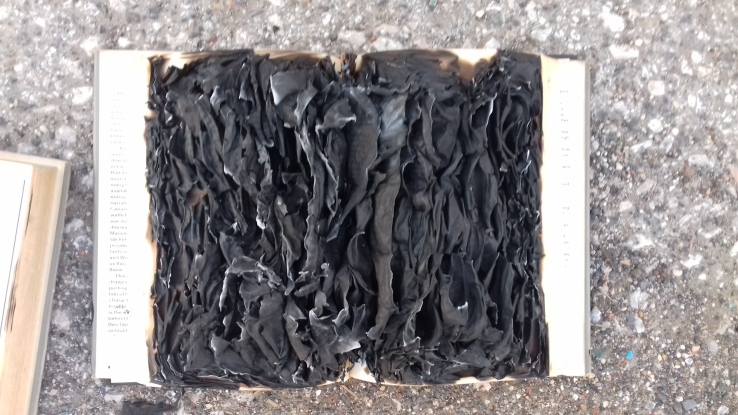
The reasons that some things are beyond debate is that people often lie about their interests and their ideologies. David Irving knows the Holocaust happens, he just can’t admit publicly that he thinks it was a good thing and should be repeated.
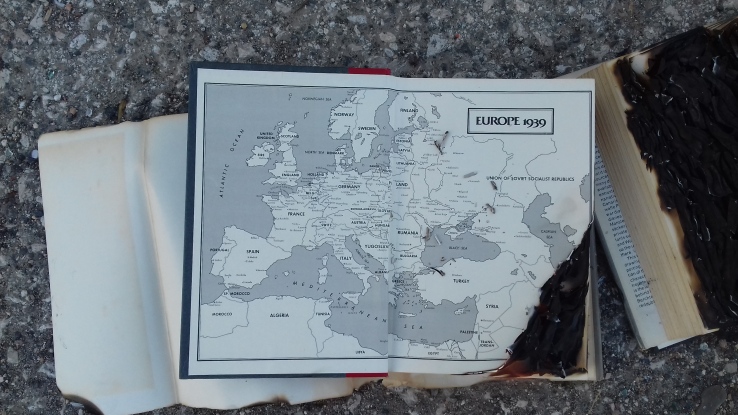
As people like to say these days, this is why we can’t have nice things. It also explains why I wanted to burn these books.
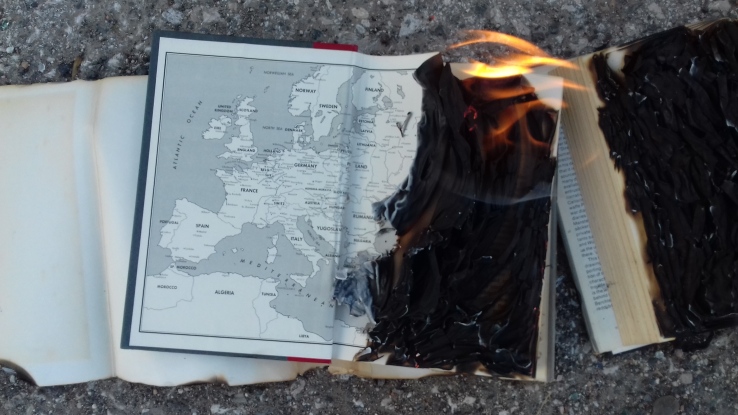
Holocaust denial and climate denial have much more in common than has been so far acknowledged. Exxon executives knew several decades ago that the company’s activities were causing the planet to overheat and would make human life impossible, but they kept quiet because admitting it could hurt their profits. They and other such companies then invested billions of dollars in spreading lies about climate science, funding people to speak up for them who are no more proper climate scientists than David Irving is a proper historian. These are the kind of trolls who would take the last six words of the last sentence and remove them from their context. If I could I would burn all attempts to deny that the climate is changing. I would set fire to millions of web pages and happily watch them go up in smoke.
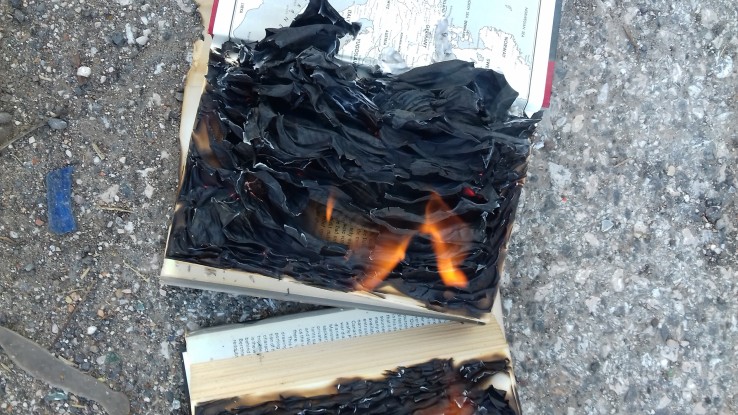
By denying death, they deny life.
Afterward the well-known events took place.
and even though there are those
hidden behind platinum titles
who like to pretend
that we don’t exist
that the marshall islands
tuvalu
kiribati
maldives
and typhoon haiyan in the philippines
and floods of pakistan, algeria, and colombia
and all the hurricanes, earthquakes, and tidalwaves
didn’t exist
still
there are those
who see us
hands reaching out
fists raising up
banners unfurling
megaphones booming
and we are
canoes blocking coal ships
we are
the radiance of solar villages
we are
the rich clean soil of the farmer’s past
we are
petitions blooming from teenage fingertips
we are
families biking, recycling, reusing,
engineers dreaming, designing, building,
artists painting, dancing, writing
we are spreading the word
and there are thousands out on the street
marching with signs
hand in hand
chanting for change NOW
they’re marching for you, baby
they’re marching for us
because we deserve to do more than just
survive
we deserve
to thrive
dear matefele peinam,
you are eyes heavy
with drowsy weight
so just close those eyes, baby
and sleep in peace
because we won’t let you down
you’ll see
(Kathy Jetnil-Kijiner)
 “The way people look at you and mutter about you on the bus or train, as though you’re dangerous. That would never have happened in the ’80s. Now if you want to rent a house, you’ll get a viewing appointment over the phone alright, but as soon as you get there and they see you’re black, you’ll either get told ‘it’s already gone’ or quite simply ‘the neighbours don’t want to live next to foreigners’. It’s become quite normal for people to admit they’re ‘anti-foreign’ and talk about it freely. They don’t differentiate between migrants and nationals with foreign parents.” (
 “In July, in Quinto di Treviso, Northeast Italy, residents and far-right militants broke into flats destined to receive asylum-seekers, took the furniture outside and set it on fire, leading the authorities to move the asylum-seekers to another location.” (
 “Akram, a 17-year-old Kurdish boy from Iraq, hid under a truck on the ferry from Greece to Italy for 18 hours without food or water. When he arrived in Italy, the police locked him in a small room on the ferry and sent him right back to Greece.”
 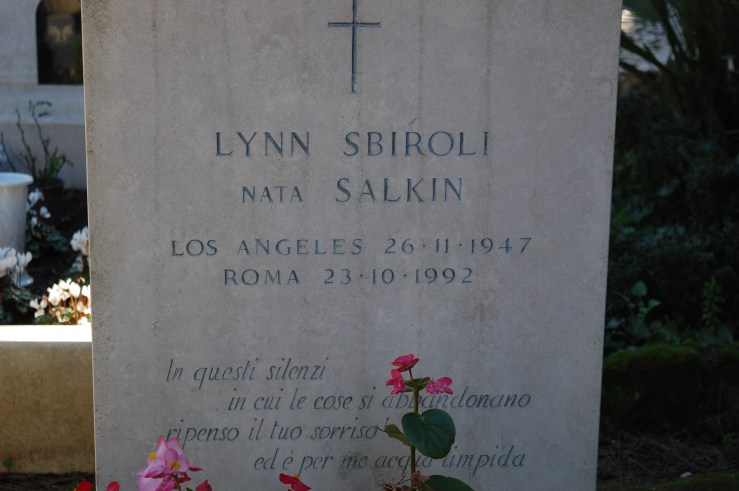 “Mayor Alberto Panfilio said calm had been restored at the center, where up to 1,500 people have been placed in a facility originally meant for 15 migrants.” (
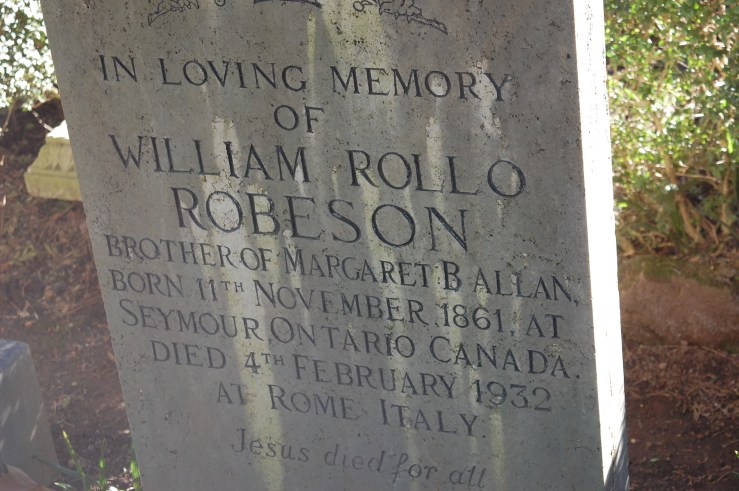 “Four Eritrean girls, aged 16 and 17, said that adult men constantly harassed them. Bilen, 17, said men “come when we sleep, they tell us they need to have sex. They follow us when we go to take a shower. All night they wait for us… They [the police, the staff] know about this, everybody knows the problem, but they do nothing.”” (
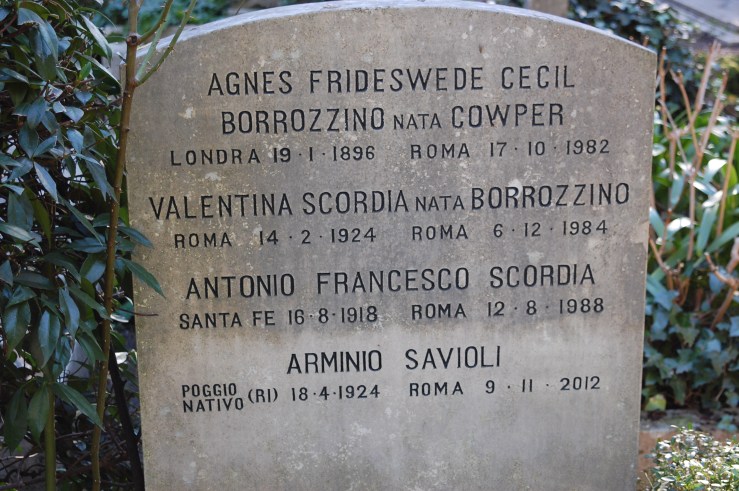 “Yodit cupped her hands in prayer as we dialed. Those hands flew to her mouth as she realized that the phone – and her prayers – had been answered. It was the first time she had spoken to her mother since being rescued at sea and taken to Italy two weeks before.” (
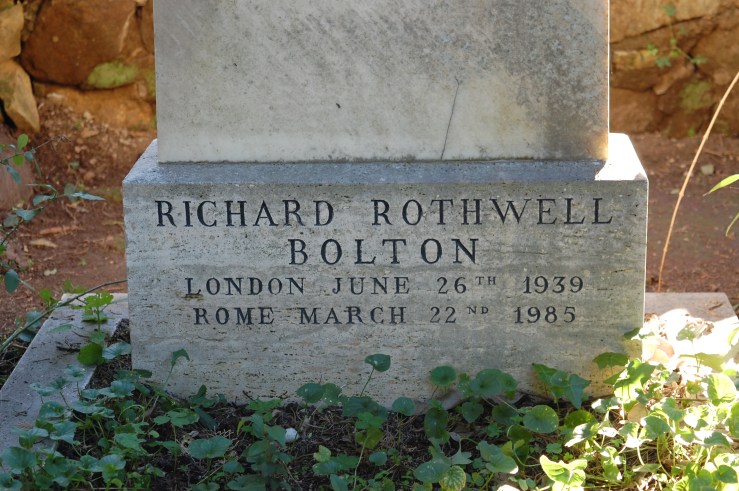 “Kaiser Tetteh was from Ghana. He was kidnapped and imprisoned for three months in a makeshift jail in Libya by a smuggling gang. “Kidnapping is normal. If you are in a taxi they will kidnap you, they will take everything from you.” He said he witnessed the killing of 69 people in Libya during an escape attempt from the prison. “All the time you don’t sleep,” he said. “Everyone has guns. Even kids have guns.” Lucky told us he did not mind where he was resettled in Europe. “I’m a beggar, I don’t have any choice. I just want protection. I just need freedom.”” (
 ““It is not easy to live here illegally,” Lisa, one of the volunteers told me. “I don’t know if people really want this, sleeping in the park or not having a job. “We think people are coming here because of war and violence, not because we are kind. We are doing something very human. We tell them where to go, where to eat and try to give them advice. We don’t want them to be illegal.”” (
 “Italian Prime Minister Matteo Renzi on Sunday called for a concerted international effort to block people-traffickers after the reported deaths of up to 700 migrants in the latest sinking in the Mediterranean. “We are asking not to be left alone,” Renzi told reporters after an impromptu cabinet meeting, adding that he wanted an emergency meeting of European Union leaders to be held this week to discuss the mounting migrant crisis. Renzi underlined that search and rescue missions alone were not sufficient to save lives. He said the problem could only be solved by preventing the criminal activity of people trafficking and stopping migrant boats from leaving Libya.” (
 “I left Ethiopia because of the political situation. I’m Oromo and in 1991 there was conflict between Tigrinya and Oromo. My grandfather and my father fought for the Oromo. Later, my father was arrested and my brother shot dead at university by the government. In Ethiopia if you are Oromo you can’t do anything. They arrest you and they can kill you. At the time I wasn’t involved in politics. My father and grandfather were part of the OLF party. The Ethiopian police came to question me, asking who was supporting the party. In 2013/14 they arrested me and held me for two months in the prison of Diradawa. They wanted to know where my uncle was. They didn’t give me food, only bread and water once every three days, and we had to do a lot of work in the prison.” (
 “About seven months after Osama’s arrest, security officers stopped Firas at the gate of his university. “If you keep asking about your brothers, we will cut out your tongue,” they told him. That day, Firas fled Syria.” (
 “Compounding Italy’s frustration is the fact that its northern neighbours, including France, Switzerland and Austria, have in effect closed their borders to migrants, preventing what had been a natural flow of refugees towards more prosperous parts of Europe.” (
 “A 16 year old, named Djoka, from Sudan reported, “They gave me electricity with a stick, many times… I was too weak, I couldn’t resist… They took both my hands and put them on the machine.” (
 “Anti-immigrant Northern League leader Matteo Salvini said Tuesday there would be “mass expulsions” of migrants when the League gained power, after the most recent revolt in a migrant centre in Italy.” (
 “An Afghan migrant travelled 400 kilometres (250 miles) along an Italian highway strapped by leather belts to the bottom of a lorry, according to police.” (
 “In an intercepted phone call, Mafia businessman Salvatore Buzzi was heard telling his assistant Pierina Chiaravalle: “Do you have any idea how much I make on these immigrants? Drug trafficking is less profitable.”” (
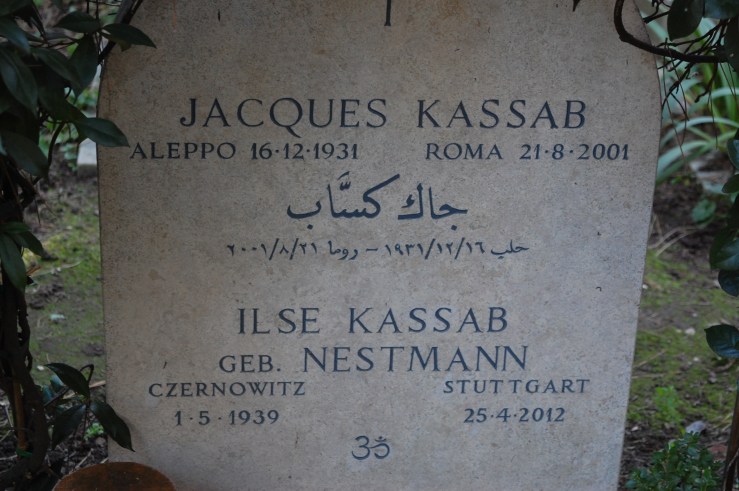 A Nigerian man who had recently fled to Europe to escape Boko Haram militants was beaten to death on the streets of Italy this week as he tried to defend his wife against racist abuse. (
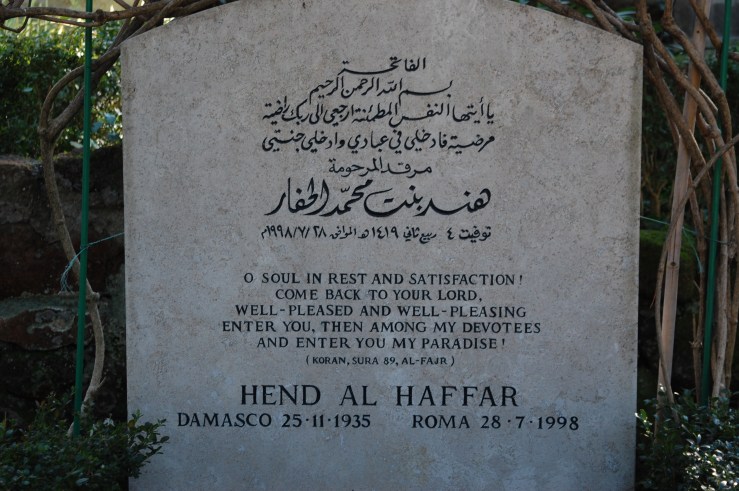 “Syria is burning; towns are destroyed and that’s why people are on the move, that’s why we have an avalanche, a tsunami of people on the move towards Europe… As long as there’s no resolution in Syria and no improved conditions in neighbouring countries, people will move.” (
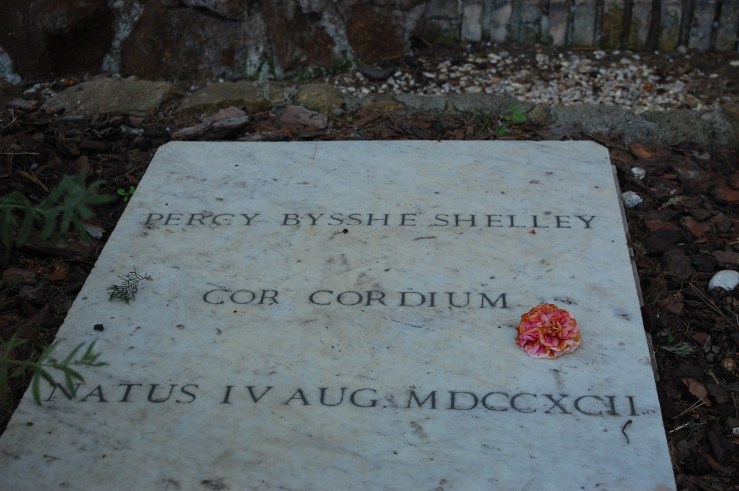 High ships come in bearing black strangers
 No one leaves home unless/ home is the mouth of a shark. You only run for the border / when you see the whole city / running as well. (
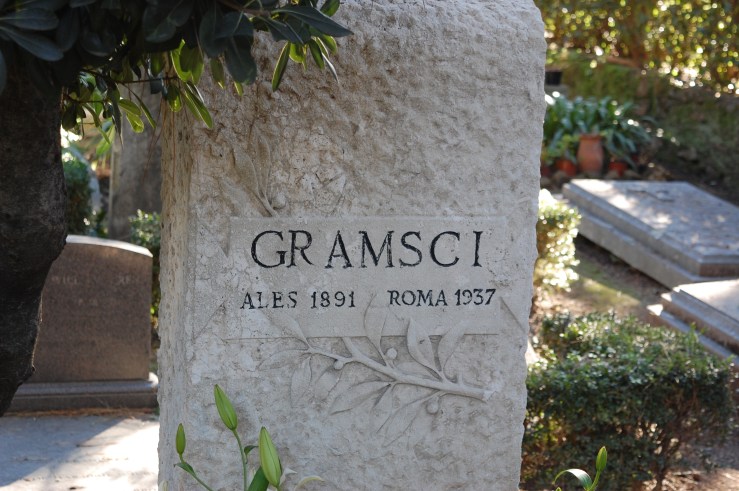 “I hate the indifferent. I believe that living means taking sides. Those who really live cannot help being a citizen and a partisan. Indifference and apathy are parasitism, perversion, not life. That is why I hate the indifferent.” Antonio Gramsci, Prison Notebooks
 I was tickled to see that someone on Tripadvisor had described the restaurant immediately underneath our flat as being in an ‘absolutely insignificant quarter of the city’. The area may not have a name as such (we have to describe it using a series of awkward coordinates) or any singular identity but it is of significance to us for two reasons: one, there’s the fact that we live here, and two, that it embodies certain tendencies and pressures both global and local*.

 It’s a bright blue Monday morning in mid-October 2016 and I’m standing at the corner of Via dei Gracchi and Via Alessandro Farnese in the centre of Rome, having just left work. I’m partly waiting to cross the road and partly trying to get fivethirtyeight.com to load on my phone. There’s a guy in a car looking at me, stopped at the traffic lights on this quiet street, shouting and laughing. At first I don’t think he’s talking to me, maybe on his phone or to himself. But no, it’s me, he’s beckoning me over, and he seems to know my name, so I must know him, but I feel bad because I have no idea whatsoever who he is. He looks very Italian, in a slightly

 young people called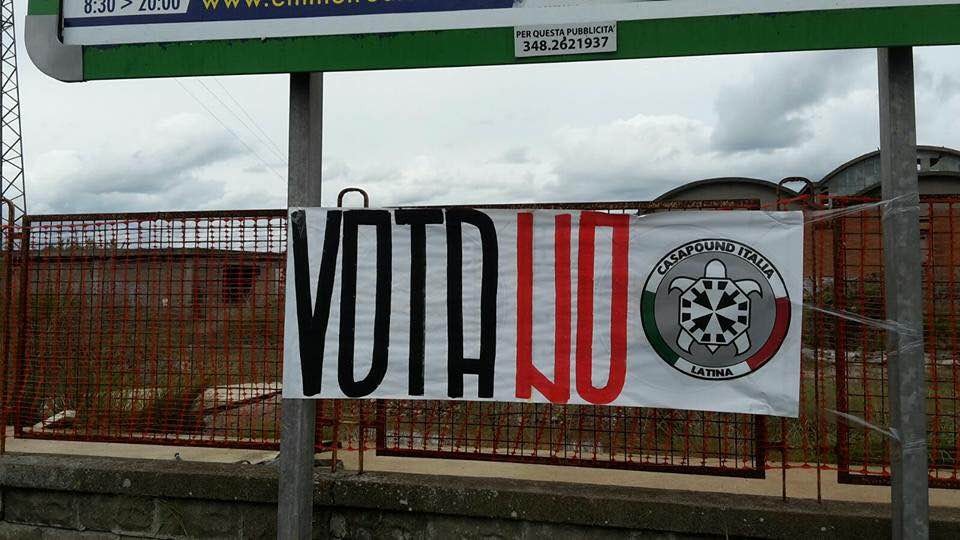
 Billy Bragg is spot on
  Infinite Coincidence
